

According to research, we’re bombarded by 2,904 media messages daily. We notice 52, and positively remember only 4 (SuperProfile 2010).
Boy, are we swamped!
Add to that our deluge of emails, phone calls, social media and meetings, and is it any wonder we feel overwhelmed?!
Your reader is in the same boat. If you can’t cut through their clutter, you’ll be ignored and waste your time. With their attention so scarce, how can you get them to read your board report? To notice your budget request? To action your group emails?
One sure-fire way is to appeal to their emotions.
I just did exactly that. I appealed to a common sensation for most people — the feeling of drowning in a sea of information.
Through our shared experience, I built empathy, understanding, and a sense of familiarity between us. We connected. You felt I cared.
As Captain Kirk of the Starship Enterprise once said: ‘Sometimes, a feeling is all we humans have to go on’.

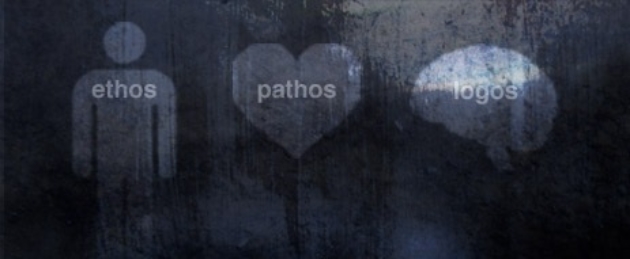
Of course, appealing to a reader’s or listener’s emotions is as old as time. It was Aristotle who divided the means of persuasion into three categories — Ethos, Pathos and Logos — of which Pathos, your emotional influence on an audience, is critical.
How Pathos draws your audience in
Think of communications that appeal to you emotionally:
- Ads that show children or animals
- Scary music in a horror movie
- Political campaigns like 1972’s Australian Labour Party ‘It’s time’
- Even the ‘Australian made’ logo on products.
They’re all harnessing Pathos — evoking positive feelings of love, sympathy and compassion, or negative feelings of greed, fear and envy.
Feeling first. Thinking second.
Neuroscientist Antonio Damasio said we’re not thinking machines that feel; we’re feeling machines that think. Emotions are powerful motivators for your audience. They grab people’s attention, and make them want to act.
Using Pathos is a wonderfully effective technique to use in your writing. It helps you appeal to your audience’s sense of identity and self interest.
So, here are five simple ways to engage your audiences with Pathos:
1. Sharing breeds caring
Find a connection through shared experiences.
Writing a report due on Friday? Share the fact that it’s been a long week, but ‘here’s something to make next week a bit easier’.
We all share common issues: time, money, health, relationships, the work/life balance. Harness your understanding of those issues, and you’ll provoke empathy in your reader.
As influence expert Cialdini noted, we like to say ‘yes’ to people we like and know on a personal level. Shared experiences can achieve that.
2. Once upon a time …
Stories are a great way to generate positive emotions.
If the project’s floundering, tell them the story of Walt Disney, fired early in his career because he ‘lacked imagination and had no good ideas’.
Perhaps you’re working on the 5,127th prototype (it took James Dyson that many before he perfected his bagless vacuum cleaner).
Stories of historical challenges cause us to reflect on current issues, and see them for what they are: a stepping stone, not a disaster.
3. No-one is perfect. Not even you!
Admit to your mistakes. Nothing is more off-putting that someone who passes the buck, or hides bad news in business buzzwords.
The only emotions you’ll evoke there are anger and frustration.
Come clean, and you’ll be amazed how often your reader will sympathise.
In fact, try a little MDA: Minor Damaging Admission. Admitting that not everything to do with your proposal is perfect (as long as it’s a minor issue) helps your audience trust you.
4. A picture’s worth a thousand words
Hey, I know we’re talking about words, here. But let’s not forget the power of an image to evoke emotions.
You can say the project is going well. Or you can show a rocket taking off.
Many more emotional pathways are opened when you see the image than when you say the words.
5. Make ’em laugh!
Humour, especially in a business context, evokes joy and surprise. It also makes the reader like you, which is a key component of influence.
Sharing a funny quote or experience shows you’re human. We can all empathise with that. Just be careful about the style of humour and your audience. Know the limits of taste.
To recap, Pathos is one of three key persuasion elements Aristotle identified: Ethos and Logos being the other two. Combine them seamlessly and you’ll get your way more often than you could have imagined.
What about you? How do you use Pathos to engage your audience’s emotions? We’re keen to hear your experiences: Comment below to see how happy it’ll make you!

Paul and the Magneto Team
P.S. There’s something you should get emotional about, and that’s your writing ability. Your career depends on it. Check out our next online course, starting 3 March 2015!
1 thought on “What beats a good argument every time? Pathos.”
Pingback: The power of Logos to persuade - Magneto Blog